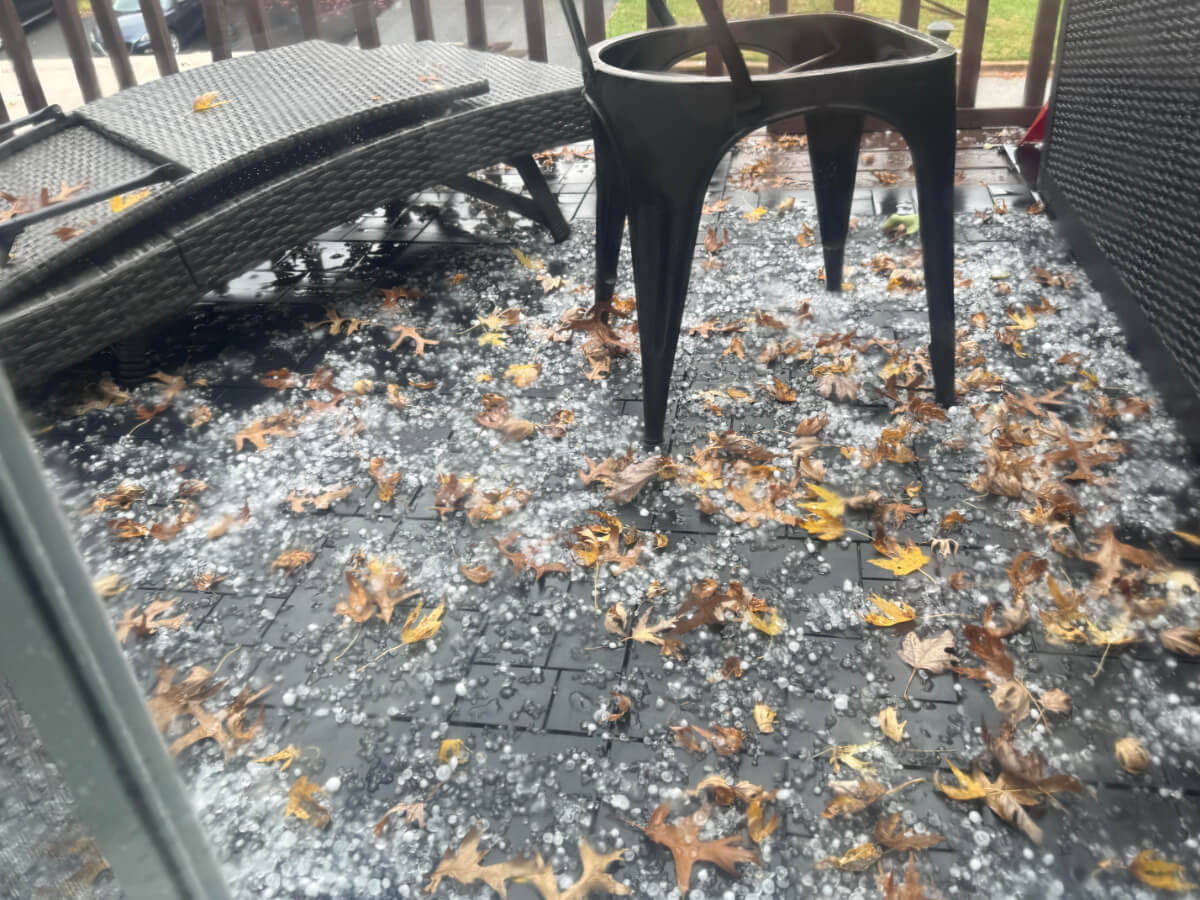
On November 12, 2026, a powerful nor’easter swept across the Northeast, bringing large hail, damaging winds, torrential rainfall, and tornado warnings to portions of Queens. FOX Weather documented hail pounding Breezy Point and Rockaway Beach, while JFK International Airport recorded more than three inches of rain. For Queens homeowners, the storm raises an urgent question: Could seemingly minor exterior damage conceal more extensive roofing, siding, or structural problems that warrant a homeowners insurance claim?
For residential property owners throughout Flushing, Bayside, Whitestone, Forest Hills, Astoria, and surrounding Queens neighborhoods, understanding how to document losses and navigate Queens hail damage insurance claims is essential to protecting their properties and financial interests.
United Public Adjusters & Appraisers (UPA), a leading public adjusting firm serving New York, New Jersey, and Connecticut, helps homeowners identify storm-related losses, prepare comprehensive insurance claims, and pursue settlements that reflect the full extent of covered damage.
How Can Hail Damage Your Queens Home?
Hailstones can strike roofing materials, exterior walls, windows, and outdoor structures with considerable force. Even relatively small hailstones, particularly when accompanied by strong winds, can damage aging or vulnerable building materials.
Common signs of hailstorm damage include:
- Roofing and shingles: Bruised, cracked, dented, or missing shingles; displaced roofing materials; and damaged flashing that may allow moisture infiltration.
- Gutters and downspouts: Dents, cracks, loosened fasteners, and drainage problems that can contribute to water damage.
- Siding and exterior walls: Cracked vinyl siding, chipped paint, damaged masonry finishes, and dents in aluminum or metal siding.
- Windows and skylights: Cracked glass, damaged frames, compromised seals, and broken skylight components.
- Exterior structures: Damage to garages, fences, decks, awnings, HVAC equipment, and other insured improvements.
Queens’ diverse residential properties, including single-family homes, attached houses, multifamily residences, and older masonry buildings, may experience different types of storm damage depending on their construction and maintenance history.
Why Hail Damage Isn’t Always Immediately Visible
One of the most challenging aspects of hail damage is that significant deterioration may remain hidden until weeks or months after the storm.
For example, hail impacts can dislodge protective granules from asphalt shingles, accelerating deterioration and potentially reducing the roof’s resistance to future weather events. Small cracks in flashing or roofing membranes may eventually permit water to enter attics, ceilings, and interior walls.
Likewise, damaged siding and window seals can allow moisture to penetrate concealed building materials, contributing to insulation damage, staining, and mold growth.
A professional property inspection following a severe hailstorm can help identify both visible and concealed damage before conditions worsen. Homeowners should avoid climbing onto roofs or entering structurally compromised areas and instead engage qualified professionals to conduct safe inspections.
How to File a Homeowners Insurance Claim After a Queens Hailstorm
Taking prompt, organized action can make a significant difference in how an insurance company evaluates storm-related losses.
1. Document All Visible Property Damage
Once conditions are safe, photograph and video-record damaged roofing, gutters, siding, windows, and exterior structures. Include close-up images and wider photographs showing the affected areas.
Record the storm date, preserve weather alerts, and maintain a written inventory of damaged property. Retain photographs of the property’s condition before the storm whenever available.
2. Prevent Additional Damage
Most homeowners insurance policies require policyholders to take reasonable steps to prevent further damage following a covered loss.
Temporary tarping, securing broken windows, and addressing active leaks may be necessary. Keep receipts for emergency repairs, protective materials, and related expenses.
Avoid permanent repairs or discarding damaged materials before the insurer has had a reasonable opportunity to inspect them, unless immediate action is necessary for safety or to prevent further loss.
3. Review Your Homeowners Insurance Coverage
Standard homeowners insurance policies generally cover sudden, accidental hail damage to insured structures, subject to policy terms, exclusions, deductibles, and coverage limits.
However, coverage can become complicated when insurers attribute damage to aging materials, deferred maintenance, improper installation, or preexisting deterioration.
Property owners should also determine whether their policies provide replacement cost value (RCV) or actual cash value (ACV) coverage. Replacement cost provisions may allow recovery of eligible repair or replacement costs without a final depreciation deduction, while actual cash value settlements account for depreciation.
Some policies also contain separate windstorm or hail deductibles, cosmetic damage exclusions, or specific roof settlement provisions.
4. Obtain a Comprehensive Damage Assessment
An insurance company adjuster may inspect the property to determine the cause, scope, and estimated cost of repairs. However, an initial inspection may not identify every affected component or account for damage concealed beneath roofing and exterior finishes.
Independent assessments from qualified roofing contractors, engineers, or other specialists can help establish the extent of storm-related losses.
For complicated Queens hail damage insurance claims, comprehensive documentation may include repair estimates, photographs, material assessments, and evidence connecting the damage to the weather event.
5. Review the Insurance Settlement Before Accepting It
Before agreeing to a settlement, carefully review the insurance company’s estimate against documented damage and qualified repair estimates.
Missing line items, underestimated labor costs, overlooked interior damage, and disagreements about the scope of necessary repairs can affect the settlement amount.
When additional covered damage is discovered, homeowners may be able to request a supplemental claim evaluation, subject to policy requirements and applicable deadlines.
How a Public Adjuster Can Help Queens Homeowners Recover After Hail Damage
Filing an insurance claim following a severe storm can be overwhelming, particularly when property owners are simultaneously arranging emergency repairs and protecting their families.
A licensed public adjuster represents the policyholder’s interests rather than the insurance company’s.
United Public Adjusters & Appraisers assists Queens homeowners by:
- Conducting detailed property damage inspections.
- Identifying visible and potentially concealed storm-related losses.
- Reviewing applicable insurance coverage and policy provisions.
- Preparing detailed estimates and supporting claim documentation.
- Coordinating with appropriate property damage specialists.
- Communicating with insurance carriers and their adjusters.
- Negotiating settlements for documented, covered losses.
When hailstorms cause substantial property damage, UPA can also help homeowners navigate complex claims involving roofing systems, compromised building components, exterior deterioration, and interior water damage resulting from storm-related damage.
Queens Hail Damage Insurance Claims: Protect Your Property and Your Settlement
Whether your property is located in Flushing, Jamaica, Bayside, Fresh Meadows, Howard Beach, or another Queens community, hail damage should never be dismissed simply because the roof or exterior appears intact.
Undetected damage can become increasingly expensive to repair, while incomplete claim documentation may complicate the insurance recovery process.
United Public Adjusters & Appraisers has helped residential and commercial policyholders throughout the tri-state area navigate complex property insurance claims, with nearly $1 billion in settlements recovered.
If your Queens home has sustained hail, wind, roofing, siding, or related storm damage, contact United Public Adjusters & Appraisers for professional assistance documenting your losses and pursuing the insurance settlement you are entitled to under your policy.
No fee unless we recover.
MY FREE CONSULTATION
"*" indicates required fields