Long Island and New York City property owners should be preparing now for a potentially significant early-fall nor’easter that could bring strong winds, heavy rain, dangerous surf, coastal flooding, and beach erosion to our region.
As of September 22, 2026, the National Weather Service says deepening low pressure is expected to track northeast over the western Atlantic later this week, although uncertainty remains regarding its exact path. A Gale Warning is already in effect for portions of the waters off Long Island, where northeast winds could gust to 45 mph Wednesday and seas may build to 9–12 feet, with occasionally higher waves.
Forecasts for the weekend continue to evolve. Some scenarios could bring substantially heavier rainfall and stronger winds to Long Island and the NYC metro area, while an offshore track would reduce some impacts. Current local forecasts indicate Long Island could experience wind gusts of approximately 40–55 mph by the weekend.
For property owners, waiting until water has breached your threshold or a tree has landed on your roof is waiting too long. The goal is to avoid property damage and, if necessary, facilitate preparing and submitting nor’easter insurance claims to your carrier.
Why This Nor’easter Deserves Your Attention
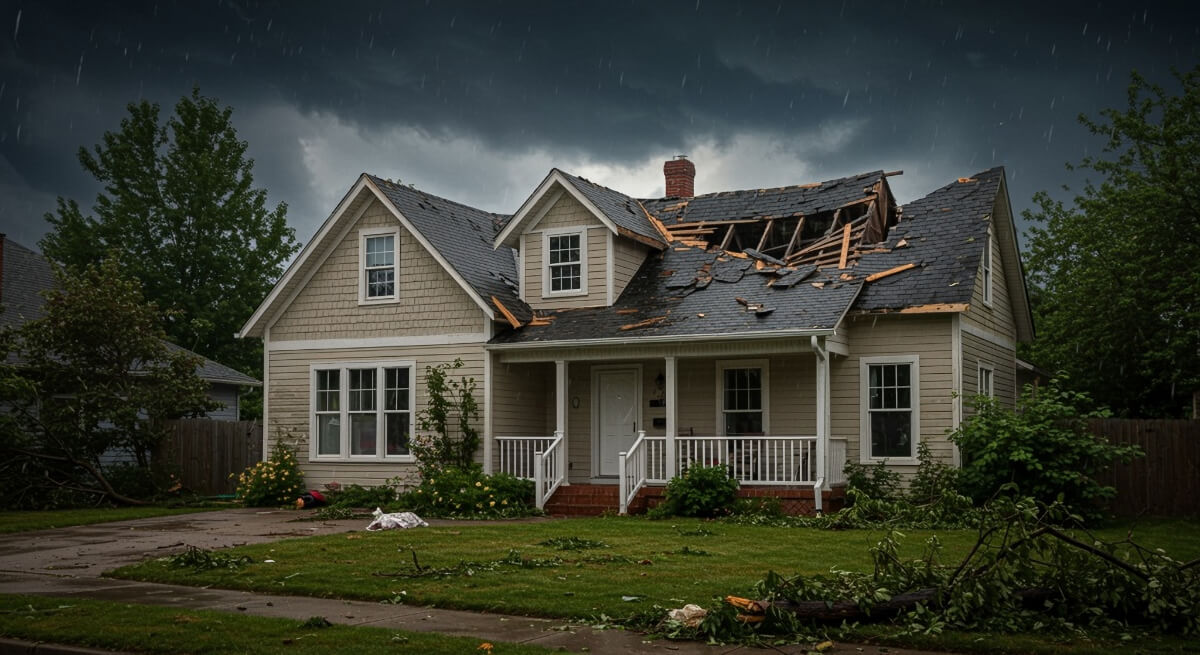
Nor’easters can damage property in several ways simultaneously. Wind can lift shingles, damage siding, and topple trees. Wind-driven rain can penetrate roofs, windows, and building structures. Prolonged rainfall can overwhelm drainage systems, while coastal flooding can threaten low-lying properties from Long Island to New York City.
Our region already has significant underlying flood exposure. According to the National Flood Insurance Program (NFIP), more than 1 in 10 properties in New York, New Jersey, and Connecticut, representing over one million properties, are at serious risk of flooding. To cite one example, in Long Beach, NY, over 89% of properties are considered at risk.
Be aware that flooding isn’t exclusively a waterfront problem. Heavy rainfall, flash flooding, and overwhelmed drainage systems can cause serious losses miles from the coast.
That distinction is especially important when it comes to insurance. Most standard homeowners’ and tenants’ policies do not cover flooding, and federal flood insurance generally has a waiting period before new coverage becomes effective.
Before the Storm: Protect Your Property
That proverbial ounce of prevention should be exercised before the storm hits to reduce the potential for damage and make documenting any losses easier should nor’easter insurance claims become necessary after the storm passes.
Start outside. Secure patio furniture, garbage cans, planters, garden décor, umbrellas, bikes, and other objects that could become airborne. Inspect gutters and drains for debris, and look for visibly loose siding, flashing, or roofing materials. Move valuable items away from basement floors and other areas vulnerable to water intrusion.
Inside, photograph or video rooms and valuable contents before the storm. Don’t forget areas such as finished basements, mechanical systems, electronics, appliances, clothing, and any high-value personal property.
Commercial property owners should document equipment, merchandise, and inventory and review their business interruption and extra expense coverage. Condo and co-op owners should also become aware of where their individual coverage ends and their building and/or association policy begins.
Most importantly, locate your insurance policies now. Know which policies cover your residence, commercial property, contents, and flood-related losses, as well as what deductibles and exclusions may apply.
What Should You Do Immediately After Nor’easter Damage Is Discovered?
First and vitally important: ensure your personal safety and that of your family and loved ones is priority number one. Stay away from downed electrical wires, standing water near electrical systems, and structurally compromised areas.
Once conditions are safe, photograph and video the damage before cleanup or permanent repairs begin. Document water lines, damaged ceilings, walls, floors, roofing, windows, equipment, furniture, inventory, and personal belongings.
Take reasonable emergency measures to prevent additional damage, but avoid making extensive permanent repairs until your property has been properly documented and an adjuster has visited your site. When practical, keep damaged materials and retain receipts for emergency work, temporary accommodations, and other storm-related expenses.
Very important: Do not assume that visible damage represents the full extent of your loss. Water that has seeped behind walls, ceilings, and your roof may lead to additional damage in the coming months. Hidden damage can manifest in the form of mold, compressed insulation, damaged electrical systems, and weakened structural components.
Wind Damage or Flood Damage? The Difference Can Matter
After a nor’easter, determining just how water entered your property can become one of the most important and contested insurance questions.
For example: Did wind damage the roof and allow rain inside? Did wind-driven rain penetrate windows or exterior walls? Did surface water rise into your building? Was your property damage caused by storm surge, sewer backup, or another source?
These distinctions may affect which policy carrier responds and which coverages are available. It is important to note that flood coverage is separate from typical homeowners’ insurance, and that type of policy does not generally cover flood damage caused by a storm.
This is one reason why nor’easter insurance claims can be complicated and benefit from detailed documentation and a professional review by United Public Adjusters & Appraisers.
How United Public Adjusters & Appraisers (UPA) Can Help After a Nor’easter
When significant storm damage occurs, property owners have two challenges: recovering from the physical loss and navigating their insurance claim.
The most important fact to know is that United Public Adjusters & Appraisers represents you, the policyholder, not your insurance company.
Your UPA team will inspect and document all storm-related property damage, review applicable insurance policies, identify potentially covered losses, prepare detailed damage estimates, organize claim documentation, communicate with the insurance company and its representatives, and negotiate on behalf of you, the policyholder.
For businesses and commercial property owners, that process may also involve evaluating damaged equipment, inventory, building components, business interruption, and extra expenses associated with keeping operations moving.
For homeowners, condo owners, co-op shareholders, landlords, and building owners, UPA can help distinguish among different areas of damage and present the documented loss to the insurer.
The objective is straightforward: develop a complete, well-supported claim so you can receive a just settlement based on the terms of your policy.
Nor’easter Damage? Document First and Get Help Early
The September 2026 nor’easter forecast remains subject to change, making it important to follow current National Weather Service alerts and local emergency instructions as the storm develops.
But preparation does not need to wait for the final forecast.
If your Long Island or NYC home, commercial building, condo, co-op, or other property suffers wind, rain, roof, water, or related storm damage, contact United Public Adjusters & Appraisers as soon as conditions are safe.
The earlier in your nor’easter insurance claim process we are involved, the sooner our public adjuster team can begin documenting your loss, reviewing your coverages, and assisting in protecting your best interests, including negotiating with your carrier to pursue a just settlement as efficiently as possible.
It is important to note that when a storm impacts our region, insurers are inundated with property damage claims. Partnering with United Public Adjusters & Appraisers to oversee your claim can reduce stress and help ensure your loss is thoroughly documented and presented.
Remember: Storm damage can happen in hours, but insurance claim processing can drag on for months. Alleviate the situation by having an experienced professional represent your interests with your carrier — the team at United Public Adjusters & Appraisers.
Contact United Public Adjusters & Appraisers
If this forthcoming nor’easter damages your property, contact United Public Adjusters & Appraisers for assistance in evaluating the loss and navigating the outcome of your insurance claim. UPA’s experienced team works for you, only for you, and not your insurance company. We help homeowners and businesses pursue properly documented settlements under their policies.
Prepare now. Stay safe during the storm. And if property damage occurs, put UPA’s experience — we have logged almost a billion dollars in settlements to date — to work for you. Get a head start: contact UPA now to learn more.
MY FREE CONSULTATION
"*" indicates required fields