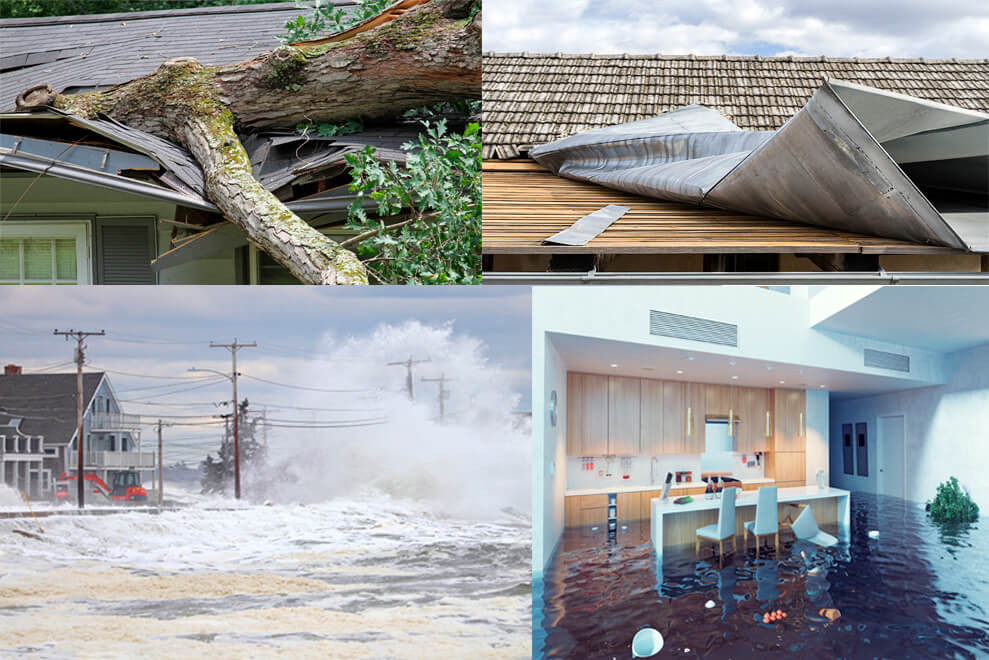
When a nor’easter damages your home, building, or business, the storm may pass long before the insurance complications do. Wind, fallen trees, roof damage, water intrusion, coastal flooding, power outages, and business interruption can all result from the same weather event—yet each loss may be treated differently under your insurance coverage.
United Public Adjusters & Appraisers (UPA) handles nor’easter insurance claims from initial inspection through settlement. We document the damage, analyze the applicable policy or policies, prepare and present the claim, and negotiate with the insurance carrier. Most importantly, we represent policyholders—not insurance companies.
That distinction matters. A nor’easter can produce several causes of loss at once, and how damage is documented and classified may significantly affect what the insurer agrees to cover.
If your property has already sustained damage, call UPA at 1-800-718-5677 before you call your insurance company. We can review the loss, notify the carrier on your behalf, and help establish the claim correctly from the beginning.
Key Takeaways for Nor’easter Property Owners
- Wind damage, fallen trees striking covered structures, and rain entering through storm-created openings are generally covered by standard property policies.
- Storm surge and rising surface water typically require separate flood insurance.
- Wind and water can damage the same property during the same storm, making documentation of the cause especially important.
- Homeowners, condo owners, co-op shareholders, building boards, landlords, and businesses can face very different coverage issues.
- UPA represents the policyholder throughout the claims process, from documenting damage to negotiating the settlement.
What Does a Nor’easter Do to Property?
Nor’easters typically affect the East Coast from roughly September through April, bringing sustained northeast winds, heavy rain or snow, high tides, rough surf, and coastal flooding.
Unlike some fast-moving storms, a nor’easter can remain over an area through multiple tide cycles. That prolonged exposure can compound property damage.
Common losses include:
- Roof, siding, facade, and window damage caused by sustained winds
- Fallen trees and limbs damaging houses, garages, fences, and other structures
- Wind-driven rain entering through storm-damaged roofs, windows, and walls
- Coastal and back-bay flooding during storm surge and high tides
- Basement water caused by surface flooding, groundwater, or sewer backup
- Power-outage losses, including frozen pipes, spoiled contents, and interrupted operations
- Business interruption when physical damage prevents a company from operating
The complication is that these losses are not necessarily covered by the same policy.
Wind vs. Water: Why the Cause of Damage Matters
One of the most important questions in a nor’easter insurance claim is deceptively simple:
Did the damage come from wind or water?
Wind Damage
Wind damage is generally covered under homeowners, condo, co-op, and commercial property insurance. Depending on the policy and circumstances, this can include damaged roofing and siding, trees striking covered structures, broken windows, and rain entering through an opening created by the storm.
Flood Damage
Storm surge, rising surface water, overflowing bays, and similar flooding are generally excluded from standard property policies. These losses typically require separate coverage through the National Flood Insurance Program (NFIP) or a private flood insurer.
When Wind and Water Strike Together
This is where a claim can become much more complicated.
Imagine a waterfront property with a roof torn open by high winds while storm surge floods the first floor. Some damage may relate to a covered wind event while other damage may fall under a separate flood policy.
Determining what happened requires evidence: roof and window conditions, water lines, debris patterns, photographs, weather information, and detailed room-by-room documentation.
That distinction can have a major financial impact on the settlement.
| Type of Damage | Coverage That May Apply |
|---|---|
| Roof, siding or window damage from wind | Homeowners, condo, co-op or commercial property policy |
| Tree striking a house or covered structure | Property policy |
| Rain entering through a wind-created opening | Property policy |
| Storm surge or rising surface water | NFIP or private flood policy |
| Sewer or drain backup | Property policy when appropriate endorsement applies |
| Lost business income following covered physical damage | Business income coverage, subject to policy terms |
Insurance policies, exclusions, endorsements, deductibles, and individual losses differ. UPA reviews the actual policy language and circumstances of the claim to determine what may apply.
Wind or flood?
Don’t let your loss be incorrectly classified. Contact UPA for a free claim review.
What May Be Covered After a Nor’easter?
Coverage also depends heavily on the type of property involved.
Homeowners
A standard homeowners policy may provide coverage for the dwelling, other structures, personal property, and additional living expenses when covered storm damage makes a residence temporarily uninhabitable.
Tree damage presents its own questions. When a tree strikes a covered structure, damage and certain removal expenses may be covered. Tree removal without structural damage may be subject to different restrictions or sub-limits.
Condo Unit Owners
Condo losses frequently involve more than one policy.
The association’s master policy may cover certain building components while the individual unit owner’s policy covers other property. Flooring, cabinets, fixtures, improvements, and upgrades can become important points of distinction.
When a nor’easter damages a roof, facade, window, or another common element and water subsequently enters individual units, determining which policy responds can become particularly complicated. See our condo unit owner claims page.
Co-op Shareholders
For co-op shareholders, coverage can depend on the proprietary lease, building policy, and individual shareholder policy.
UPA reviews these documents together to identify responsibilities and help prevent covered damage from falling into the gap between policies. See our co-op shareholder claims page.
Building Boards and Managing Agents
A single nor’easter can damage roofs, facades, windows, mechanical systems, and multiple individual units within the same building.
UPA can coordinate building-wide claims under the master policy while working with boards, managing agents, and affected occupants to document the complete scope of the loss. See our board and building-wide claims page.
Businesses and Commercial Properties
For a business, storm damage may extend far beyond repairing the building.
Depending on the policy, commercial coverage may address the structure, inventory, machinery, equipment, furnishings, and tenant improvements. Other provisions may include:
- Business Income: income lost while operations are interrupted by covered damage
- Extra Expense: additional costs associated with continuing operations or temporarily relocating
- Civil Authority: certain losses when government action restricts access
- Utility Service Interruption: certain losses associated with off-site utility failures
- Loss of Rents: rental income lost while covered property is being restored
See our business interruption claims page.
These time-element losses can be substantial and require detailed financial documentation.
Flood Insurance Has Its Own Rules
A property owner with both wind and flood damage may be dealing with two separate claims simultaneously.
NFIP flood policies have requirements that differ from standard property insurance, including:
- Proof of Loss: NFIP claims generally require a signed and sworn Proof of Loss within 60 days of the loss unless FEMA extends the deadline.
- Basement Restrictions: NFIP basement coverage is limited. Certain building equipment may qualify, while finished walls, flooring, and many personal belongings generally do not.
- Coverage Limits: Standard NFIP residential coverage is limited to $250,000 for the building and $100,000 for contents. Separate or excess coverage may be available.
- Waiting Periods: New NFIP coverage generally carries a 30-day waiting period, subject to specific exceptions.
When both property and flood policies are involved, accurate allocation of the damage becomes critical. UPA can coordinate the claims so losses are properly documented rather than overlooked between the two.
Does a Hurricane Deductible Apply to a Nor’easter?
Not necessarily.
Many property policies in New York and New Jersey contain special hurricane deductibles, often calculated as a percentage of insured value. Those deductibles generally depend upon specific hurricane triggers defined by the policy and applicable law.
A nor’easter that does not meet that definition may instead be subject to the policy’s standard deductible.
However, some policies contain separate windstorm or named-storm deductibles that may apply more broadly.
The answer is in the policy language. UPA can review the declarations page, deductible provisions, endorsements, and applicable loss circumstances to determine which deductible may apply.
What Should You Do After Finding Nor’easter Damage?
What happens during the first hours and days after a storm can affect the entire claim.
- Put safety first. Stay clear of downed electrical lines, unstable trees, structural hazards, and standing water that may be energized.
- Call UPA at 1-800-718-5677. We can review your policy, assess the situation, notify the carrier on your behalf, and begin documenting the loss.
- Photograph and video the damage. Capture the exterior and interior, roof and window damage, fallen trees, water lines, damaged belongings, equipment, inventory, and other affected property before cleanup whenever safely possible.
- Protect the property from additional damage. Temporary tarping, boarding openings, and water extraction may be necessary. Retain receipts and records for emergency expenses.
- Do not discard damaged materials prematurely. Document damaged flooring, drywall, furnishings, equipment, and other property before disposal. Where appropriate, retain representative samples.
- Track additional expenses and financial losses. That can include hotels, meals, equipment rentals, emergency services, temporary relocation expenses, and business losses.
- Look beyond visible damage. Wet insulation, wall cavities, subflooring, framing, and other concealed areas can hold moisture and potentially develop additional problems after the initial storm.
Why Are Nor’easter Claims Sometimes Underpaid?
Storm damage is rarely as simple as it first appears.
Common disputes can involve:
- Wind damage being attributed to flooding
- Roof damage being characterized as pre-existing wear and tear
- Hidden water damage being omitted from the initial scope
- Repair estimates that fail to reflect actual local labor and material costs
- Business interruption and extra expenses being overlooked
- Additional living expenses ending before repairs are completed
- Damage involving multiple policies being allocated incorrectly
UPA develops its own documentation, construction estimates, inventories, and policy analysis to present the full scope of a covered loss.
That means looking beyond what is immediately visible and determining what it will actually take to restore the property.
Nor’easter Damage in Long Island, NYC, New Jersey and Connecticut
Property vulnerability varies significantly across the tri-state region, which is another reason local knowledge matters when preparing nor’easter insurance claims.
Long Island
Long Island’s extensive coastline creates exposure to wind, storm surge, beach erosion, and back-bay flooding. South Shore communities in Nassau and Suffolk counties can be particularly vulnerable, while the Hamptons and East End may experience powerful winds and rough surf.
Barrier islands, waterfront properties, and canal-front homes can face especially complex wind-versus-water losses.
Nassau County | Suffolk County | Hamptons
Queens and New York City
In Queens, communities including the Rockaways, Broad Channel, and Howard Beach face elevated tidal and coastal-flooding exposure.
Across New York City, the property mix creates additional complications. Brownstones, co-ops, condos, high-rises, commercial buildings, and mixed-use properties may experience roof, facade, window, and interior water damage—and multiple policies may be involved.
UPA’s Ozone Park office also places the firm close to many of Queens’ storm-exposed neighborhoods.
New Jersey
Along the Jersey Shore, storm surge, high tides, wind, and coastal flooding can occur simultaneously. Farther north and inland, nor’easters may cause tree damage, roof losses, wind-driven rain, and river flooding.
Connecticut
Connecticut shoreline communities along Long Island Sound can face coastal flooding, wind, falling trees, and power outages during major nor’easters.
Inland properties may avoid storm surge but remain exposed to prolonged winds, tree damage, heavy precipitation, and utility interruptions.
Frequently Asked Questions About Nor’easter Damage
Does homeowners insurance cover nor’easter damage?
Standard homeowners insurance generally covers certain types of wind damage, trees striking covered structures, and rain entering through storm-created openings. Storm surge and rising surface water are generally excluded and require separate flood coverage. Actual coverage depends on the individual policy and cause of loss.
Is a tree that falls on my house covered?
Damage caused when a tree falls onto a covered structure is generally covered, subject to policy terms, limits, and deductibles. Coverage for removing a tree that does not damage a covered structure may be more limited.
Is a flooded basement covered?
It depends on where the water came from. Rising surface water generally falls under flood insurance, which itself has significant basement limitations. Sewer and drain backups typically require an applicable endorsement. Water entering because wind damaged the structure may be treated differently.
How long do I have to file a nor’easter claim?
Insurance policies contain notice requirements and other deadlines, and flood insurance has separate procedures. Property owners should act promptly after discovering storm damage. UPA can review the policy, provide notice to the carrier, and help identify applicable deadlines.
Does a hurricane deductible apply to a nor’easter?
Not automatically. Whether a hurricane, windstorm, named-storm, or standard deductible applies depends upon the policy language and circumstances of the weather event.
Do I need a public adjuster after a nor’easter?
Significant claims can become particularly complex when they involve both wind and water, hidden damage, multiple units or policies, extensive contents, or business interruption. A public adjuster represents the policyholder and documents, prepares, and negotiates the claim on the policyholder’s behalf.
How much does United Public Adjusters & Appraisers charge?
UPA works on a contingency basis. Its fee is a percentage of the settlement recovered, and the initial claim review is free.
Get a Free Nor’easter Insurance Claim Review
A nor’easter can leave behind far more than visible storm damage. It can create questions about wind versus flood, competing policies, deductibles, hidden water intrusion, repair costs, additional living expenses, and lost business income.
You do not have to navigate those questions alone.
If a nor’easter has damaged your home, condo, co-op, apartment building, commercial property, or business in New York, New Jersey, or Connecticut, contact United Public Adjusters & Appraisers at 1-800-718-5677.
UPA represents you—not your insurance company. We can inspect the damage, review your coverage, document the complete loss, prepare and present the claim, communicate with the carrier, and negotiate toward the settlement available under your policy.
Your initial claim review is free. UPA’s goal is a successful settlement for its clients, with no fee unless there is a recovery. Call today!
Storm still on the way? Read UPA’s “5 Tips on How to Prepare for a Nor’easter” to secure your property, document its condition, and prepare before severe weather arrives.
- What Does a Nor’easter Do to Property?
- Wind vs. Water: Why the Cause of Damage Matters
- Flood Insurance Has Its Own Rules
- Does a Hurricane Deductible Apply to a Nor’easter?
- What Should You Do After Finding Nor’easter Damage?
- Why Are Nor’easter Claims Sometimes Underpaid?
- Nor’easter Damage in Long Island, NYC, New Jersey and Connecticut
- Frequently Asked Questions About Nor’easter Damage
- Get a Free Nor’easter Insurance Claim Review
MY FREE CONSULTATION
"*" indicates required fields