The Rent Freeze That Has Everyone Talking
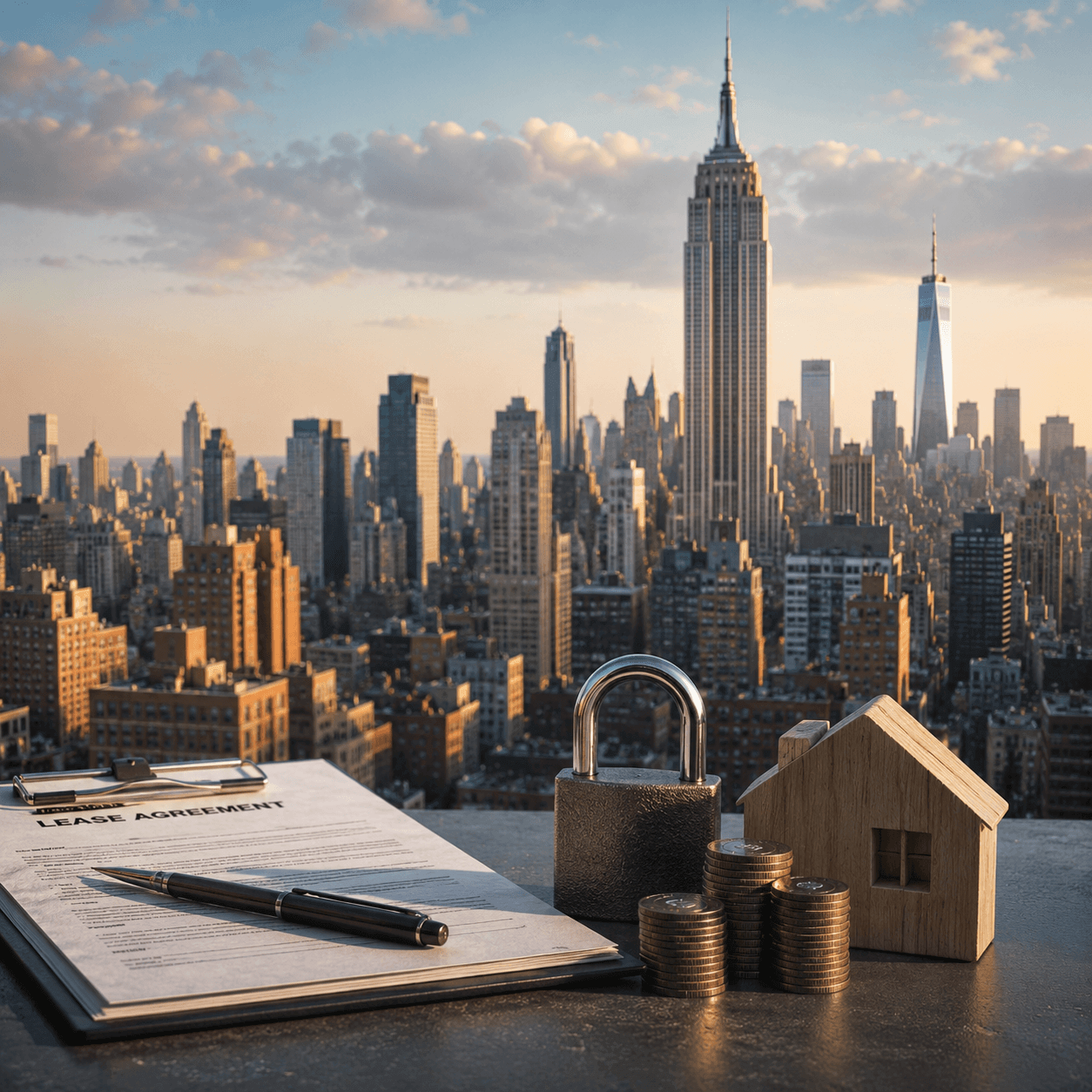
On June 25, 2026, the New York City Rent Guidelines Board voted to freeze rents for approximately one million rent-stabilized apartments. For many tenants, the decision represents welcome financial relief during a time of rising living expenses. For many building owners, however, it raises serious questions about the long-term economics of owning and maintaining multifamily housing in New York City.
As Public Adjusters representing property owners throughout New York and New Jersey, United Public Adjusters does not approach this issue from a political perspective. Instead, we see firsthand the financial realities of owning, operating, repairing, and rebuilding residential and commercial properties after catastrophic losses. Every day, we help property owners navigate complex property insurance claims and advocate for the recovery they deserve.
The recent vote provides an opportunity to examine an important question:
What happens when operating costs continue to rise while rental income remains unchanged?
Understanding the Vote
The Rent Guidelines Board approved a 0% increase for renewal leases on rent-stabilized apartments beginning October 1, 2026.
It is important to understand what this means.
The rent freeze applies only to rent-stabilized apartments. It does not affect market-rate rentals, commercial properties, condominium units, cooperative apartments, or most newly constructed buildings.
For approximately one million rent-stabilized apartments across New York City, however, rental income for eligible renewal leases will remain unchanged.
Why Many Tenants Support the Freeze
The affordability challenges facing New York residents are well documented.
Housing costs have increased significantly over the past several years, while many families continue to struggle with inflation affecting groceries, transportation, childcare, healthcare, and other everyday expenses.
For many tenants, a rent freeze provides immediate financial stability.
Supporters argue that housing is a necessity rather than a luxury and believe that preventing displacement should remain a public policy priority.
These concerns deserve thoughtful consideration.
The Other Side of the Equation
While rental income may remain frozen, the cost of operating apartment buildings does not.
Every day, our firm works with property owners who face increasing expenses regardless of rental regulations.
Those expenses include:
- Property insurance premiums
- Property taxes
- Water and sewer charges
- Labor costs
- Construction materials
- Utility costs
- Local Law compliance
- Building maintenance
- Emergency repairs
- Financing costs
- Capital improvements
These expenses continue whether rents increase or not.
The Reality We See Every Day
At United Public Adjusters, we work with building owners after fires, floods, storms, collapses, and other catastrophic property losses.
One trend has become increasingly apparent.
The cost to restore buildings continues to rise.
- Roof replacements cost more.
- Electrical systems cost more.
- Mechanical equipment costs more.
- Construction labor costs more.
- Insurance premiums have increased dramatically for many property owners.
When unexpected losses occur, these higher costs make accurately valuing a commercial property insurance claim more important than ever.
Could the Rent Freeze Affect Market-Rate Rentals?
This question has become one of the most discussed topics following the vote.
Economists have long recognized that when tenants have greater incentive to remain in rent-stabilized apartments, turnover may decline.
If fewer stabilized apartments become available, some prospective renters may instead compete for market-rate apartments.
Whether this ultimately results in higher market rents depends on numerous factors, including housing supply, vacancy rates, population trends, and new construction.
While no single policy determines rental prices, many housing economists agree that increasing housing supply remains one of the most important long-term solutions to affordability.
Deferred Maintenance: An Often Overlooked Concern
One consequence frequently discussed by building owners is deferred maintenance.
Apartment buildings require continuous investment.
- Roofs age.
- Boilers fail.
- Elevators require modernization.
- Plumbing systems deteriorate.
- Building facades require repairs.
- Life safety systems must be maintained.
When operating margins become tighter, owners may delay non-emergency improvements until financial conditions improve.
Most responsible owners want to maintain safe, well-kept buildings, but financial realities often influence the timing of capital projects.
Why This Matters Beyond Housing Policy
Regardless of where someone stands on the rent freeze itself, one reality remains unchanged.
Unexpected property losses can dramatically affect the financial health of a building.
- A fire.
- A burst pipe.
- A major storm.
- A structural collapse.
These events often occur without warning and can create substantial financial hardship.
Recovering every dollar available under an insurance policy becomes increasingly important when operating costs are already under pressure. Proper documentation and experienced representation throughout the claims process can make a significant difference when protecting a property’s financial future.
The Importance of Proper Insurance Recovery
Many property owners assume that insurance companies automatically calculate the full value of a loss.
Unfortunately, our experience often tells a different story.
Complex property claims frequently involve disagreements regarding:
- Scope of damage
- Building code upgrades
- Smoke contamination
- Water damage
- Business interruption
- Replacement cost valuation
- Ordinance and law coverage
These issues can significantly affect claim outcomes.
Proper documentation, technical analysis, and experienced claim representation can make a meaningful difference in helping owners recover what their policies provide.
Our Perspective
United Public Adjusters represents property owners—not politics.
We have worked with owners of:
- Rent-stabilized buildings
- Market-rate apartment buildings
- Commercial properties
- Mixed-use buildings
- Condominiums
- High-value residential properties
Every property owner faces unique challenges.
Every tenant deserves safe housing.
Thoughtful public policy requires balancing affordability with the economic realities of maintaining New York’s aging housing stock.
Our role is not to advocate for one side of that debate.
Our role is to help property owners protect one of their most valuable assets when disaster strikes. Learn more about the services we provide and how we advocate exclusively for policyholders.
Final Thoughts
The recent rent freeze has sparked important conversations about housing affordability, property ownership, and the future of New York City’s rental market.
Regardless of where the debate ultimately leads, one fact is difficult to dispute:
The cost of owning and operating property in New York continues to rise.
Understanding those financial realities—and preparing for unexpected losses—has never been more important. If your apartment building, commercial property, condominium, or mixed-use property experiences damage, contact United Public Adjusters to discuss your claim and understand your rights under your insurance policy.
MY FREE CONSULTATION
"*" indicates required fields