Carbon monoxide (CO) is one of the most dangerous yet overlooked threats to home and building safety. It is invisible, odorless, and potentially lethal. Whether you’re a homeowner, parent, or the owner of a multi-unit property, knowing how CO enters, spreads, and how to monitor it can literally save lives.
At United Public Adjusters & Appraisers, we’ve seen firsthand how carbon monoxide incidents lead to devastating outcomes. In this guide, we’ll explain real-world causes, construction-related carbon monoxide hazard risks, and the safety infrastructure every property should have in today’s world of gas-powered tools, complex HVAC systems, and smart technology.
What Is Carbon Monoxide, and Why Is It So Dangerous?
Carbon monoxide is a colorless, odorless gas produced by incomplete combustion of fuel. When inhaled, it binds to hemoglobin in the blood 200 times more effectively than oxygen—starving vital organs of oxygen.
Even low-level exposure over time can cause:
- Headaches, fatigue, and confusion
- Chest pain or nausea
- Cognitive issues or “brain fog”
- Death (at higher concentrations)
Common Causes of Carbon Monoxide Buildup: Construction & Renovation Risks
- Gas-powered tools indoors (generators, saws, pressure washers, space heaters, pumps) can release lethal CO levels in minutes.
- Compromised HVAC ventilation—blocked or disconnected ducts recirculate combustion gases.
- Unvented temporary heaters (propane, kerosene) release CO directly into occupied spaces.
- Boiler/water heater startups in sealed rooms without proper airflow.
- Backdrafting when powerful fans or construction equipment create negative pressure.
Everyday Residential Carbon Monoxide Hazard Risks
- Cracked heat exchangers or blocked furnace/boiler flues
- Cars left running in garages
- Gas stoves/ovens used without ventilation
- Fireplaces with closed dampers or blocked chimneys
- Portable generators near windows or doors
How Carbon Monoxide Spreads
CO moves with airflow and can quickly spread through an entire property:
- Central HVAC systems pull contaminated air into returns and distribute it into living spaces.
- Balloon-framed homes allow gases to rise through wall cavities.
- Shared plenum spaces in multi-unit buildings can expose tenants on multiple floors.
This is how a small leak in a boiler room can reach a nursery upstairs—a real scenario our team has handled.
Real-World Claims UPA Has Managed
At United Public Adjusters & Appraisers, we’ve represented property owners in CO-related cases involving:
- Cracked heat exchangers and malfunctioning flues
- Construction crews using gas tools indoors
- Backdrafting from sealed mechanical rooms
- Garage fumes entering ductwork
- Blocked chimneys contaminating HVAC systems
Often, CO hazards revealed larger property damage issues such as contaminated ductwork, code violations, and even fire-related soot infiltration.
Tragedies That Could Have Been Prevented
Carbon monoxide deaths have occurred worldwide, even in upscale resorts and luxury homes, where detectors were missing or non-functional:
- Belize (2025): Three young women died in a resort suite; no detectors were installed.
- Costa Rica (2025): 14-year-old Miller Gardner, son of a former MLB player, died when his hotel A/C leaked CO.
- Mexico (2025): A mother and her two teenage sons died in a family home with no detectors.
- Southampton, NY (1994): Tennis star Vitas Gerulaitis died from a faulty pool heater in a guest cottage.
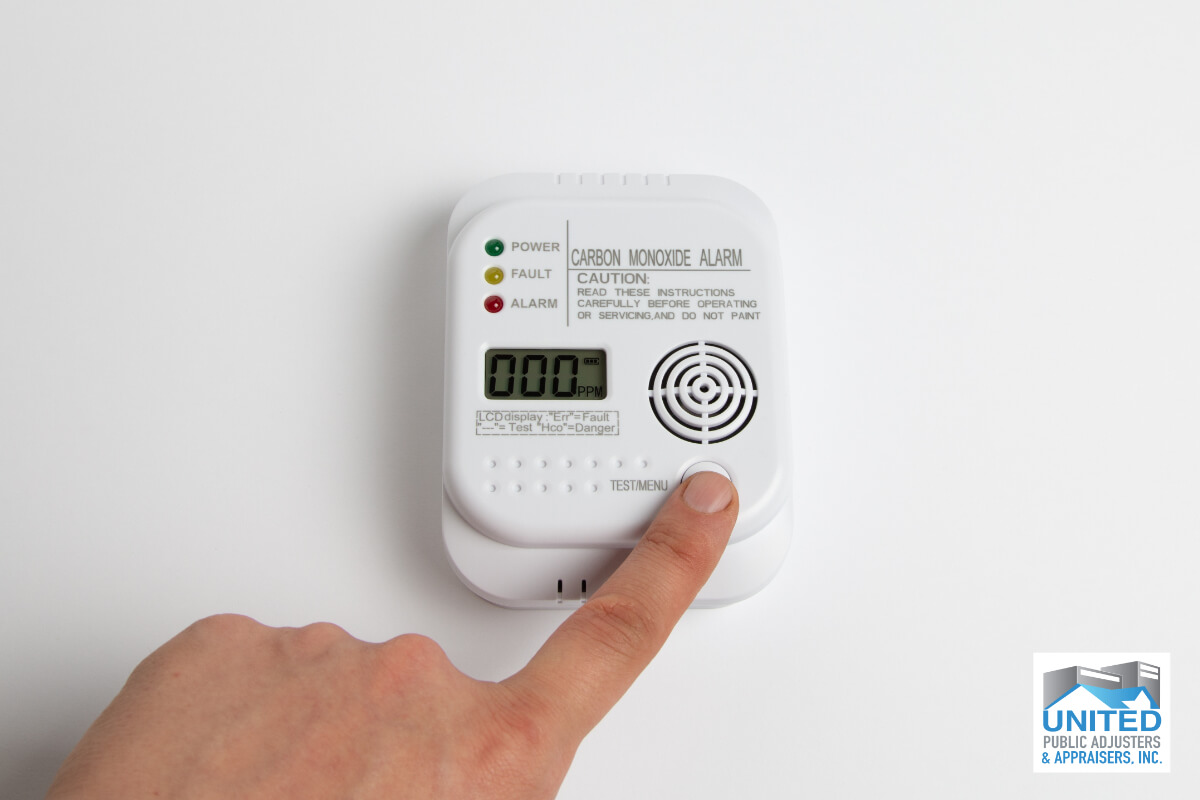
A simple, portable CO detector could have saved every one of these lives.
Protect Yourself While Traveling
Hotels, rentals, and resorts often lack detectors, and building codes vary by country. Carrying a portable unit is as important as packing a seatbelt for your hotel room.
Recommended Travel CO Detectors:
| Brand | Key Feature | Why It’s Recommended |
| Lunarlipes | Compact + LCD Display | Small, affordable, easy to pack |
| First Alert CO710 | 10-Year Battery | Trusted brand, no outlet required |
| X-Sense Smart | Wi-Fi App Alerts | Sends real-time phone alerts |
What Every Homeowner & Landlord Must Do
Step 1: Install UL-Listed House CO2 Detectors
- Minimum: one per floor, outside sleeping areas, and near appliances
- Best practice: Install house CO2 detectors in every bedroom
- Multi-unit buildings: Install house CO2 detectors in hallways, mechanical rooms, and each unit.
Step 2: Use Monitored (Central Station) Remote Carbon Monoxide Detectors
(Examples: Systems like Alarm.com, ADT, and Honeywell Total Connect offer integrated fire + CO alerting Smart home solutions (e.g., Google Nest Protect) provide mobile notifications and can even shut down HVAC to prevent spread.)
- Alerts a 24/7 monitoring center
- Dispatches fire department automatically
- Notifies you via text/phone if you’re away
Step 3: Educate Occupants and Staff
- Train tenants, staff, or family members on alarm sounds and response steps
- Post signage near mechanical rooms
- Always evacuate, ventilate, and call 911 before re-entry
Step 4: Maintain Combustion Equipment
- Annual inspections of boilers, furnaces, gas ranges, and chimneys
- Ensure venting systems aren’t blocked or corroded
- Verify adequate airflow in sealed buildings
Step 5: During Renovations
- Never allow gas-powered equipment indoors
- Vent temporary heaters properly
Recommission HVAC post-construction to ensure balance and airflow
Smart Technology to Consider
- Nest Protect – Mobile alerts, voice warnings, self-tests
- Honeywell CO Detectors – Integrates with fire panels and central stations
- Airthings View Plus – Tracks CO + indoor air quality metrics
- Z-Wave Smart CO Sensors – Ties into home automation systems
- Portable Industrial Monitors – For construction projects and real-time tracking
Final Thoughts
Carbon monoxide doesn’t announce itself with smoke or flames—it seeps in quietly, often until it’s too late. But awareness, detection, and proper planning make it entirely preventable. You should be using House CO2 Detectors and Remote Carbon Monoxide Detectors.
Need Help? Contact United Public Adjusters & Appraisers
If you’re a homeowner concerned about carbon monoxide hazard risks, or a landlord managing a multi-unit building with CO-related claims, we can help you:
- Conduct a CO safety audit
- Review fire department or lab reports
- Write claim narratives for CO exposure events
- Develop protection and risk mitigation plans
Protect your property and the people inside it. Contact United Public Adjusters & Appraisers today.
MY FREE CONSULTATION
"*" indicates required fields