 Fall may bring cooler temperatures, but it can also bring some of the most destructive weeks during the annual hurricane season. A powerful storm can tear shingles from a roof, send trees crashing into a home, drive rain through damaged windows, and push floodwaters into properties miles from the coastline. When wind and water strike at the same time, determining what homeowners insurance will, and will not, cover can quickly become complicated.
For homeowners facing significant property loss, understanding those distinctions is critical to preparing a hurricane damage claim and pursuing the compensation available under their policy, and helping property owners receive a just claim settlement is exactly what United Public Adjusters & Appraisers aims to achieve for each and every client.
The High Cost of Severe Weather
The financial impact of weather and climate disasters across the United States has been staggering. According to NOAA data, the U.S. experienced 115 weather and climate disasters with losses exceeding $1 billion each from 2020 through 2024, averaging 23 such events annually.
In 2024 alone, the nation experienced 27 billion-dollar weather and climate disasters, resulting in approximately $182.7 billion in damages. That exceeded both the five-year annual average of 23 events and the average annual cost of $149.3 billion from 2020 through 2024.
Hurricanes can be particularly devastating because one storm can produce several different causes of property damage, and insurance policies may treat each one differently.
Hurricane Wind Damage: What May Be Covered?
Standard homeowners insurance generally provides protection against certain types of wind-related damage, although coverage depends on the individual policy, exclusions, deductibles, and location.
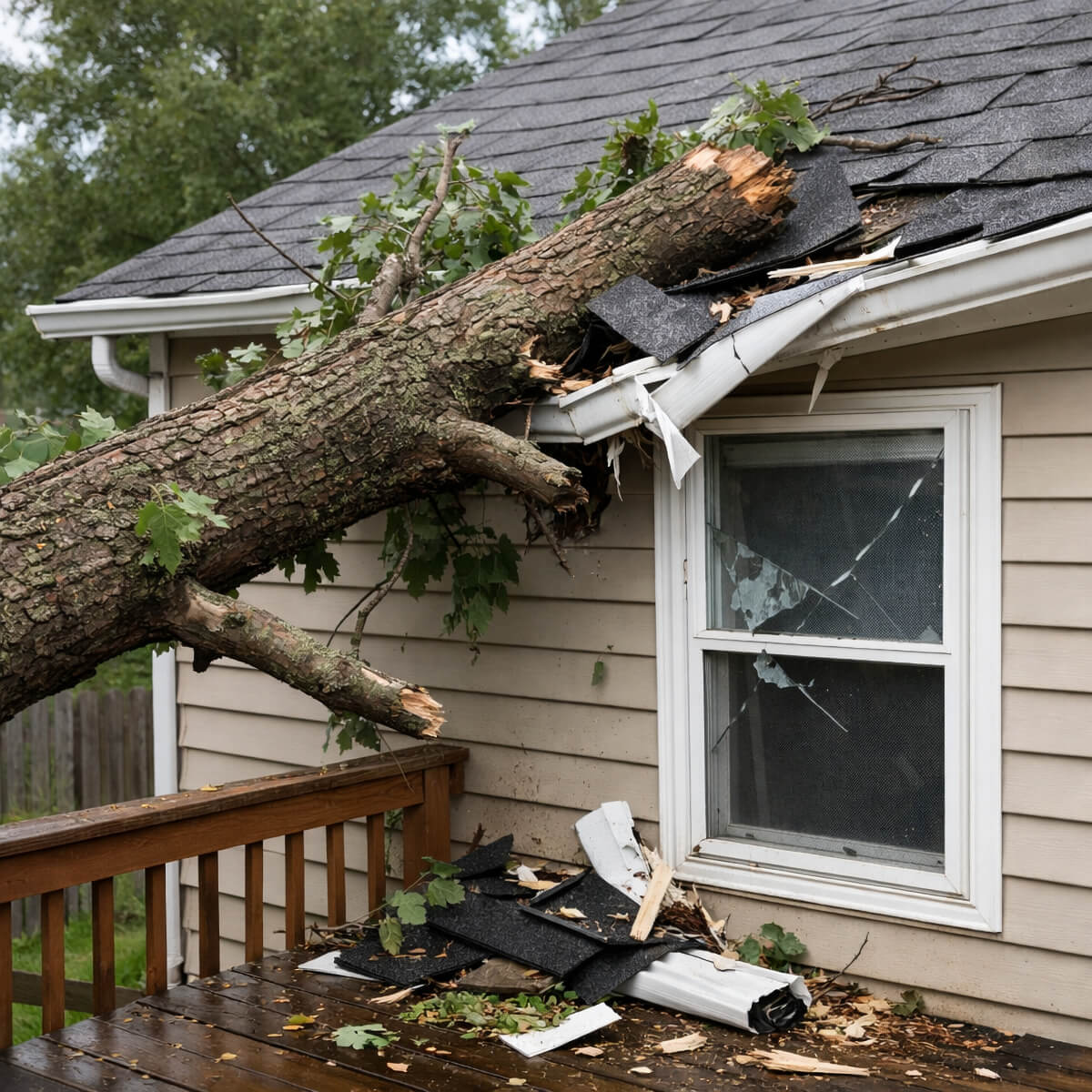
Hurricane-force winds can damage roofing, siding, windows, doors, garages, outdoor structures, and other parts of a property. Wind can also topple trees and create openings in a structure that allow rain to enter.
The challenge often comes when multiple factors contribute to the same loss. Was interior water damage caused by rain entering through a roof opening created by hurricane winds? Did rising groundwater enter the property independently? Establishing the cause and sequence of damage can become an important part of a hurricane damage claim.
Wind-Driven Rain vs. Flooding: An Important Distinction
Not all hurricane-related water damage is treated equally by insurance companies.
If strong winds damage a roof or break a window and rain subsequently enters the home, resulting damage may potentially fall within homeowners coverage, depending on the terms of the policy. However, standard homeowners policies generally exclude flooding caused by rising surface water, storm surge, or overflowing bodies of water. Separate flood insurance is typically required for those losses.
That distinction can become especially difficult after a major hurricane when wind, torrential rainfall, storm surge, and localized flooding occur within hours of one another.
Homeowners should avoid assuming that extensive water damage automatically means their claim is excluded. Likewise, the visible damage immediately following a storm may not reveal the full extent of the loss. Moisture can travel behind walls, beneath flooring, into insulation, and throughout structural components.
After the Storm, Documentation Matters
Once it is safe to enter the property, photographs and video can help establish the condition of the home and damaged belongings. Property owners should preserve damaged items when possible, keep receipts for emergency expenses, and document temporary repairs made to prevent additional loss.
Just as importantly, review the policy carefully. Coverage limits, hurricane or named-storm deductibles, exclusions, endorsements, and requirements for reporting and documenting a loss can all influence the outcome of a claim.
For a substantial loss, preparing a claim involves much more than creating a list of damaged possessions. Building damage, contents, additional living expenses, restoration costs, and the cause of individual areas of damage may all need to be thoroughly evaluated.
United Public Adjusters & Appraisers Can Help
When your property has sustained significant hurricane damage, you do not have to navigate the claims process alone. United Public Adjusters & Appraisers (UPA) represents policyholders, not insurance companies, throughout the property claims process.
Our experienced public adjusters can inspect and document the loss, evaluate the scope of damage, prepare estimates, review policy provisions, communicate with the insurance carrier, and negotiate toward settlement. UPA serves as the liaison between the policyholder and insurance company, handling the process from preliminary estimates through negotiation and settlement.
This expertise can be particularly valuable when a hurricane damage claim involves both wind and water, disputed causes of loss, extensive structural damage, or questions regarding the amount necessary to properly repair or restore the property.
Most importantly, UPA’s goal is to realize a successful settlement for every client, and if there is no recovery, there is no fee.
Protect Your Property—and Your Claim
A hurricane can pass in hours. Recovering from the damage can take considerably longer. Before accepting an insurance company’s assessment of your loss, make sure the full extent and cause of the damage have been properly evaluated.
If your home has suffered wind, rain, or other hurricane-related property damage, contact United Public Adjusters & Appraisers today. Our team can help you understand your policy, document your losses, and pursue the settlement you are entitled to under the terms of your coverage.
MY FREE CONSULTATION
"*" indicates required fields